


Barong Tagalog Embroidery
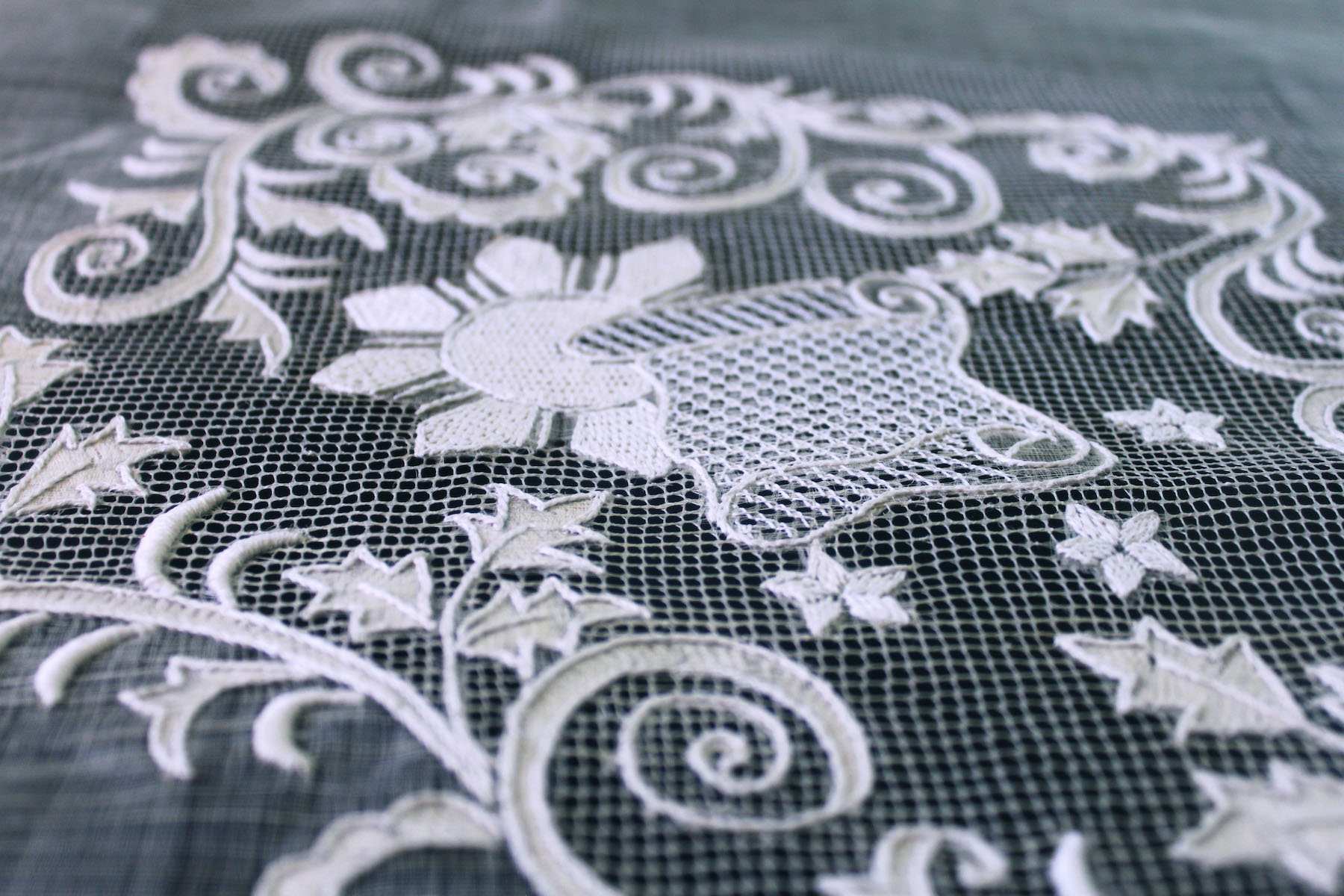
Embroidery is one of the defining features of the Barong Tagalog, shaping its detail, texture, and overall character. Depending on the fabric, design, and desired appearance, the embroidery may be created by hand, with a hand-guided machine, or through computerized machine embroidery.
The embroidery comprises two essential components: the design component, which is the primary embroidery pattern, and the accent component, a delicate handcrafted detail resembling fine lace, known as Calado (also spelled Callado). Some embroidery designs are intentionally created without Calado.
Explore the different embroidery methods and Calado options below to understand how each contributes to the appearance, craftsmanship, and price of your barong.
Embroidery Methods

The embroidery method influences the texture, detail, character, and price of a Barong Tagalog. Each method produces a distinct result and may be better suited to particular fabrics, designs, and aesthetic preferences.
Hand Embroidery
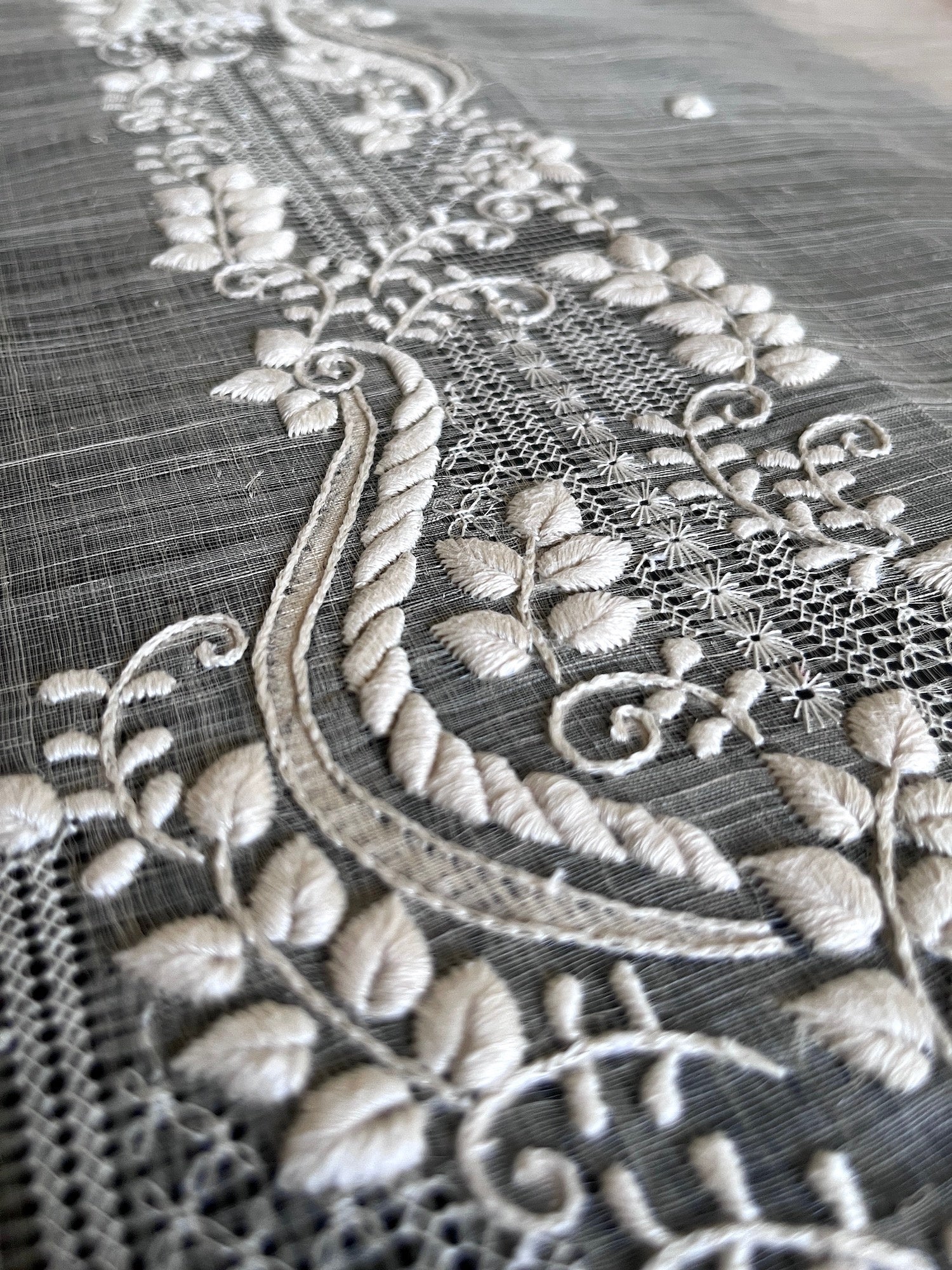
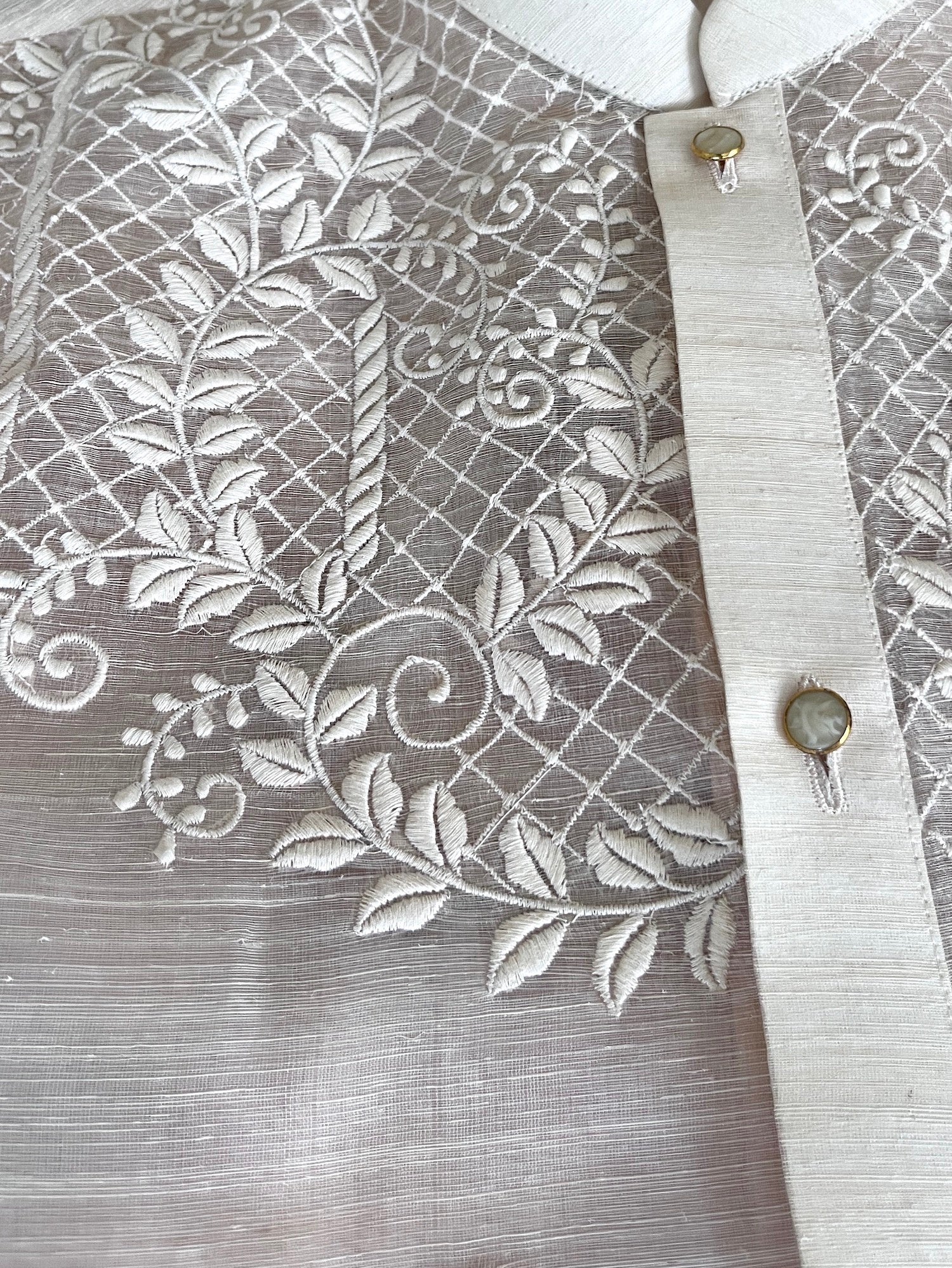
Hand embroidery is a meticulous craft that delivers a timeless vintage aesthetic. Executed with pure cotton thread, it harmonizes seamlessly with fine fabrics such as piña, piña-silk, and abaca-cotton. For added visual depth and detail, hand embroidery is often paired with handcrafted calado.
Hand embroidery creates distinctive texture, dimension, and artisanal variation that differ from the more consistent execution of machine embroidery.
Machine Embroidery
Machine embroidery encompasses two distinct types: hand-guided and computerized. Hand-guided machine embroidery is done by a skilled embroiderer using an embroidery machine, while computerized machine embroidery is done by a machine that's run by a computer program.
If you're looking for a cost-effective and time-efficient method to embellish your barong, machine embroidery is the ideal solution. It's suitable for materials like cocoon, cocoon-piña, jusi, and jusi-piña.
Hand-guided Machine Embroidery with Accent Calado
If you're looking for a way to achieve a balance between cost and efficiency while maintaining a commendable aesthetic appeal, we recommend considering hand-guided machine embroidery paired with handcrafted accent calado.
Calado adds intricate detail to the embroidery, creating a visually striking effect that can't be achieved with machine embroidery alone.
Calado Embroidery
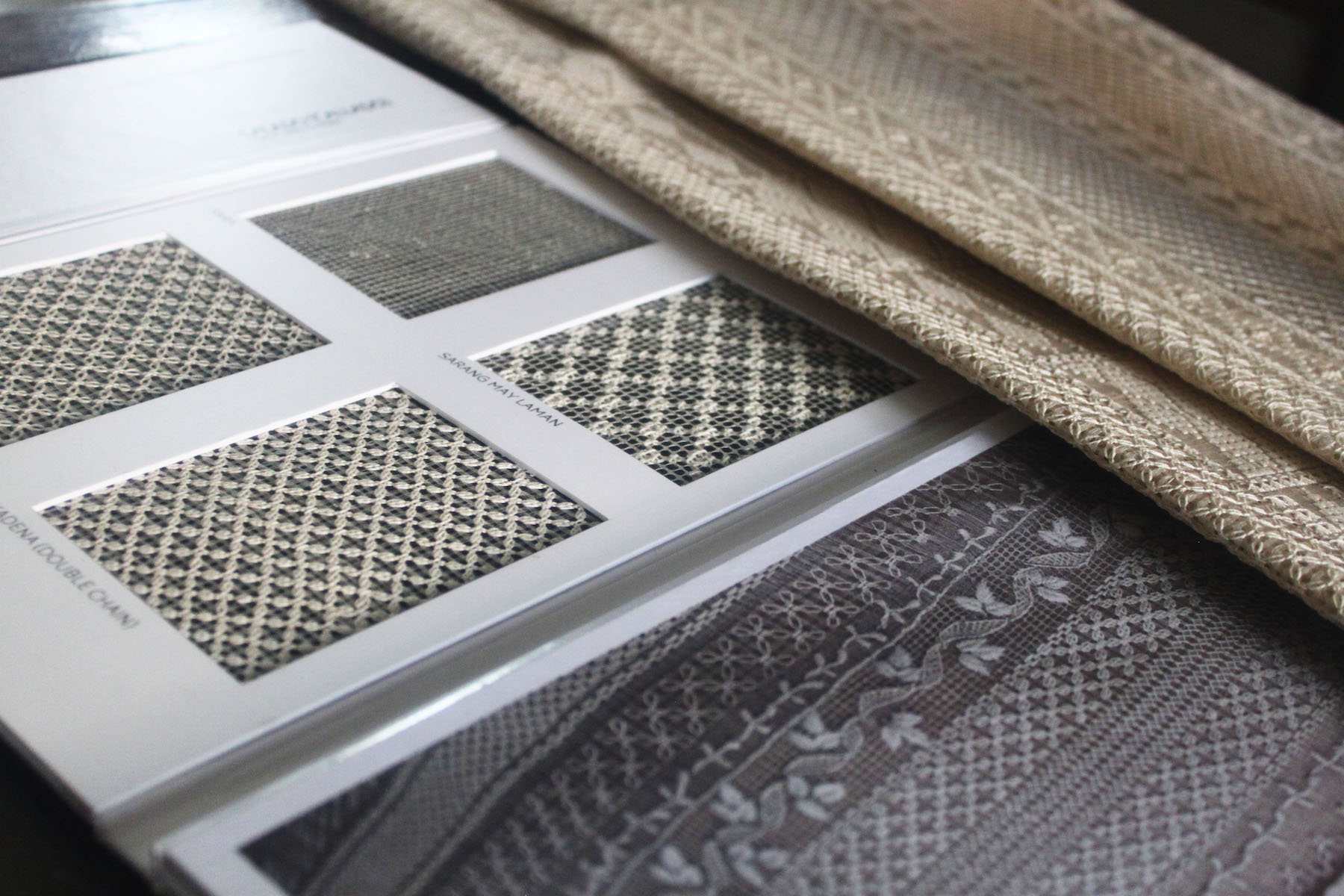
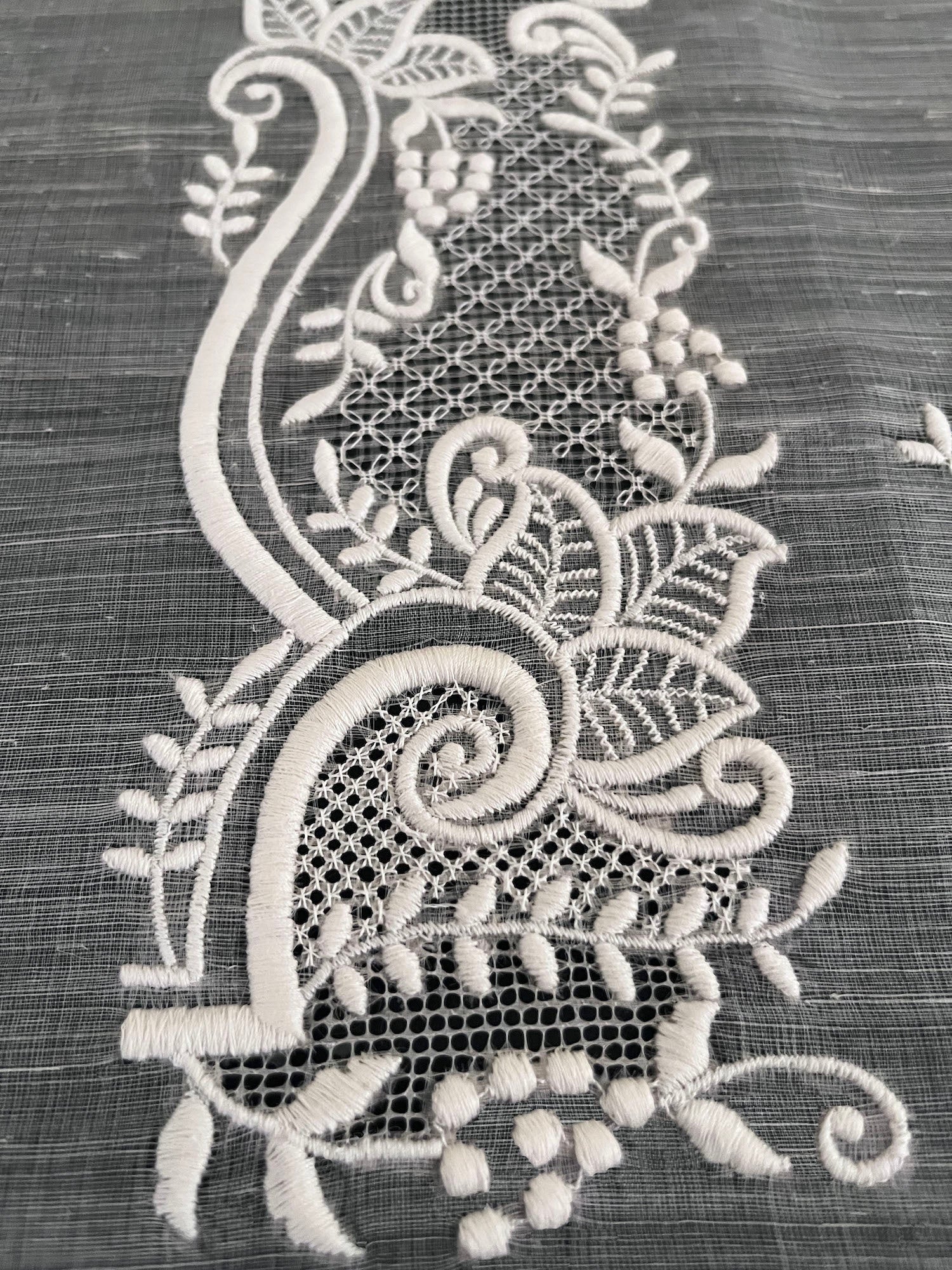
Calado, also spelled Callado, is a form of intricate openwork embroidery and a distinctive feature of many Barong Tagalog designs. To create it, skilled artisans carefully remove selected fibers from the fabric and weave the remaining threads into decorative openwork patterns. This meticulous technique is particularly associated with the embroidery tradition of Lumban, Laguna.
Accent Calado
Accent Calado incorporates handcrafted openwork into selected areas of the embroidery design. Rather than covering large sections of the barong, it's used as a decorative accent to add texture, detail, and contrast to the embroidered pattern.


All-Over Calado
All-Over Calado extends the openwork beyond selected areas to cover larger areas or entire panels of the barong. Depending on the selected coverage, it may be applied to the entire front, the entire front and back, or the entire barong. Because of the extensive handwork involved, the selected coverage affects both the price and production time.
All-Over Calado Styles
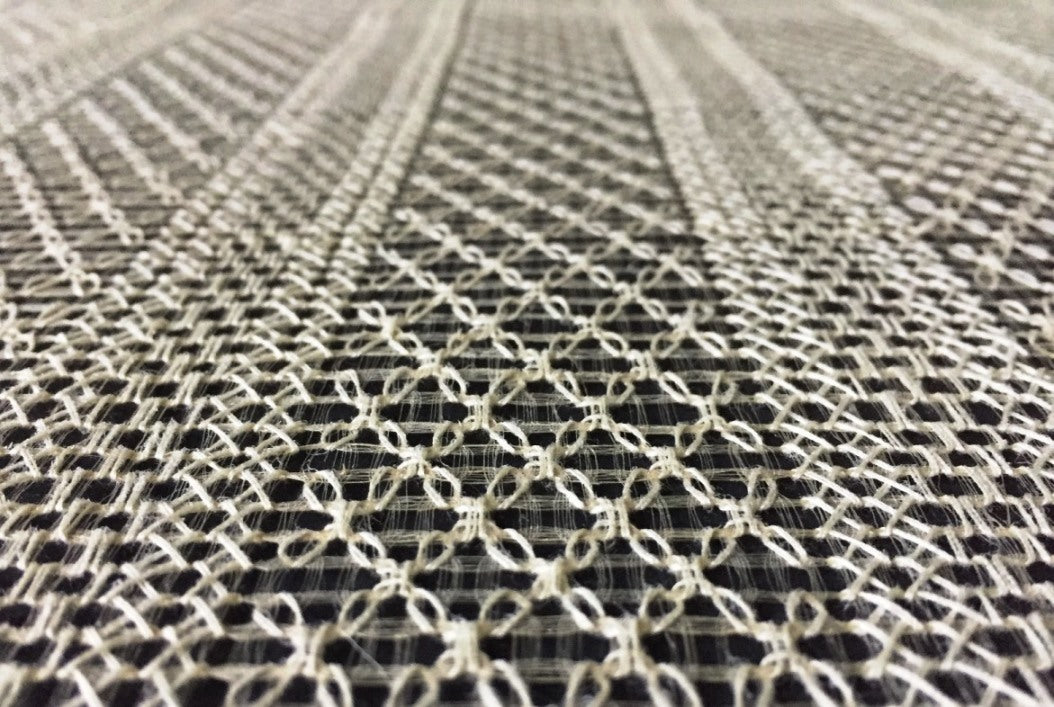
You can choose between two all-over calado styles, each offering a distinct aesthetic. For an understated look, plain all-over calado is an excellent choice. If you prefer more detail, decorated all-over calado adds an elaborate touch. Choose what resonates with your personal taste.
Plain All-Over Calado
Uses a single calado pattern throughout the selected areas of the barong.


Decorated All-Over Calado
Combines multiple calado patterns to create decorative stripes across the selected areas of the barong.